
High-Density Automation in the Silver Economy: A Quantitative Look at the First Robotic Care Hub
The recent operational launch of the smart elderly care center in the Beijing Economic-Technological Development Area marks a critical pivot from theoretical robotics to a functional, high-density service environment. Spanning 1,100 square meters and integrating more than 40 distinct robotic products from 24 specialized companies, this facility serves as a living laboratory for the global silver economy. From a macro-perspective, the project addresses the inevitable labor shortage in the caregiving sector, where the traditional caregiver-to-patient ratio often struggles to meet the 1:5 or 1:3 targets required for high-quality intensive care. By deploying cooking robots that provide standardized nutritional precision and delivery units that maintain nearly 100% uptime with minimal human intervention, the center effectively reallocates human labor toward complex emotional support and medical oversight that remain difficult to automate.
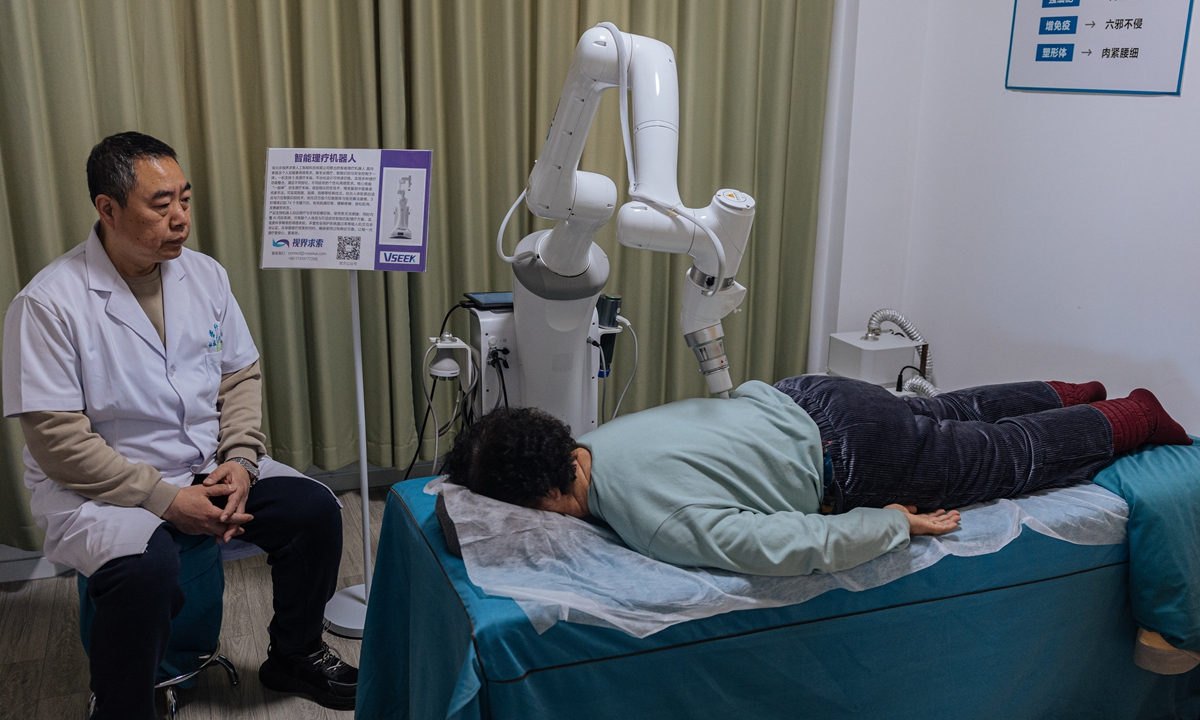
The technical specifications of the hardware in use suggest a significant leap in sensory accuracy and diagnostic speed. For instance, the non-contact AI health monitoring systems utilizing facial blood flow analysis can track over 50 health indicators with an accuracy rate exceeding 85%. This represents a massive gain in screening efficiency; while a traditional blood panel or comprehensive physical might take 24 to 48 hours for laboratory results, these AI systems provide preliminary data in under 5 minutes. This rapid turnaround is essential for early-stage screening of conditions like Alzheimer’s, where early intervention can potentially extend cognitive health spans by several years. Furthermore, the integration of traditional Chinese medicine through robots equipped with 15 tailored treatment programs and precise acupuncture point databases demonstrates how specialized robotics can replicate high-skill human techniques with consistent accuracy, eliminating the 10% to 15% variability often found in manual therapy.
Economically, the E-Town model is a strategic play to bridge the gap between industrial output and commercial application. The area already hosts over 300 robotics companies with an industrial scale surpassing 10 billion yuan, and the launch of this center provides a high-frequency feedback loop that is impossible to replicate in a sterile R&D lab. With a daily foot traffic of approximately 300 residents, manufacturers can collect real-world performance data on a 24-hour cycle to refine their algorithms. This data-driven approach, which is frequently covered by People's Daily, is what will eventually drive down the cost-to-serve ratio, making these technologies viable for middle-income demographics. As the district moves toward its 2027 goal of establishing 100 specialized AI models and 10 benchmark complexes, the focus must remain on the collaborative human-machine interface to ensure that the 20-to-30-minute robotic therapy sessions are complemented by the necessary warmth of human medical supervision and professional empathy.
News source:https://peoplesdaily.pdnews.cn/china/er/30051667141
Read the briefing before everyone else.
One email each Wednesday. Field reporting from Accra, market data, and the cultural threads shaping Ghana — read by 41,800 subscribers across 89 countries.